

Is Mold Common in Cincinnati Homes? What Buyers and Homeowners Should Know
Written by Nick Siegler of Porch Light Home Inspections — contributed to Hill River Homes.
Is Mold Common in Cincinnati Homes? What Buyers and Homeowners Should Know
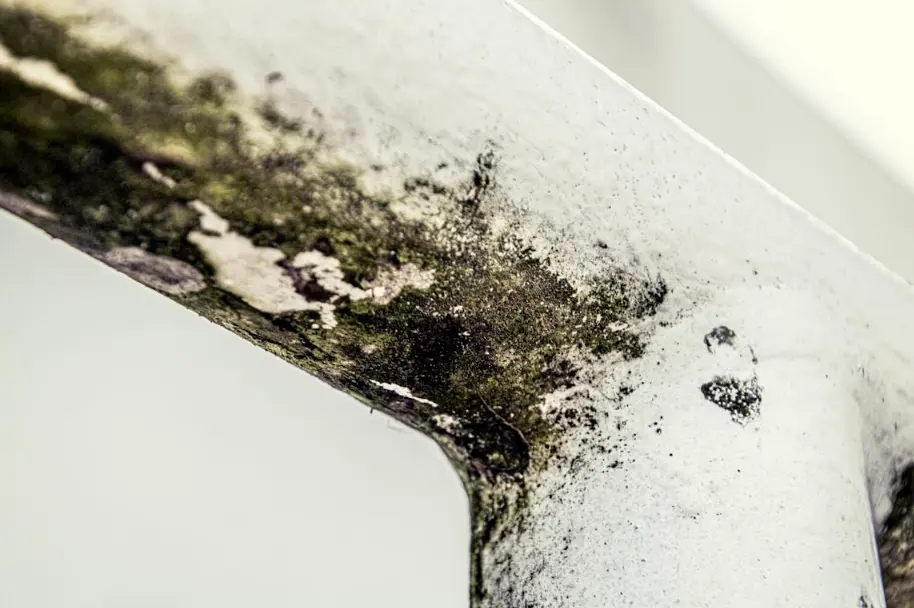
If you own — or are buying — a home in Cincinnati, mold is something worth understanding. The good news: most mold issues are manageable when you know what to look for and when to act.
Why Cincinnati homes are more prone to mold
Cincinnati’s environment creates ideal conditions for mold growth:
- 68–74% average humidity from April through September
- 42–44 inches of annual rainfall
- Clay-heavy soil that holds moisture and releases it slowly
Combined with the Ohio River valley geography, these factors keep moisture levels consistently high.
Key takeaway: Mold needs three things to grow — spores, moisture, and an organic surface. Cincinnati consistently provides all three.
Where mold typically shows up
In most Cincinnati homes, mold is most commonly found in:
- Basements
- Crawlspaces
- Attics
- Areas with past or active plumbing leaks
These are the first places to pay attention during a home inspection.
What every homeowner should do
- Act quickly after water exposure: Mold can begin forming within 24–48 hours.
- Keep humidity below 50%: Use a hygrometer to monitor levels.
- Fix small issues early: Downspouts, minor leaks, and drainage problems add up over time.
- Maintain your HVAC system: It can spread mold if not properly maintained.
What professional mold testing actually tells you
Mold testing provides:
- Spore counts and types of mold present
- Whether growth may be active
- A room-by-room understanding of air quality
A standard test includes air samples (for overall exposure) and surface samples (for specific areas of concern).
Important: Testing is a snapshot in time. Results can be influenced by weather, ventilation, and whether the home was sealed prior to testing.
How the testing process works
- Evaluation: Full walkthrough identifying moisture, staining, or visible growth
- Sampling: Typically 20–30 minutes for a standard test
- Lab results: Returned in 2–3 business days
- Report: Clear explanation of findings and next steps
When additional testing is needed
If results are unclear or concerns remain, inspectors may use:
- Moisture meters
- Thermal imaging
- HVAC evaluation
- Cavity testing inside walls
FAQ: Mold in Cincinnati homes
Is mold always a deal breaker?
No. Many cases are minor and manageable with proper remediation.
Does a water issue always mean mold?
Not always. Mold requires time and the right conditions to develop.
Should I test every home?
Not necessarily. Most tests are triggered by inspection findings, not planned upfront.
The bottom line
Mold is common in Cincinnati, but it’s rarely something to fear when you understand what you’re dealing with. What matters most is how moisture is managed over time and how quickly issues are addressed when they arise.
Mold testing is an investment in clarity. While it’s not insignificant in cost, it’s small compared to the potential expense of remediation or the risk of moving forward without the full picture. Having clear, professional data allows buyers and homeowners to make informed decisions and avoid costly surprises.
If you're buying or selling and want guidance on inspections or whether testing makes sense, reach out to our team. We’re here to help you navigate it with confidence.
Categories
Recent Posts








GET MORE INFORMATION

Broker Associate License ID: BRKA.2024000871
+1(970) 977-9277 | betsy@hillriverhomes.com